
The Evolution and Impact of Gaming A Journey Through Time
The Evolution and Impact of Gaming: A Journey Through Time
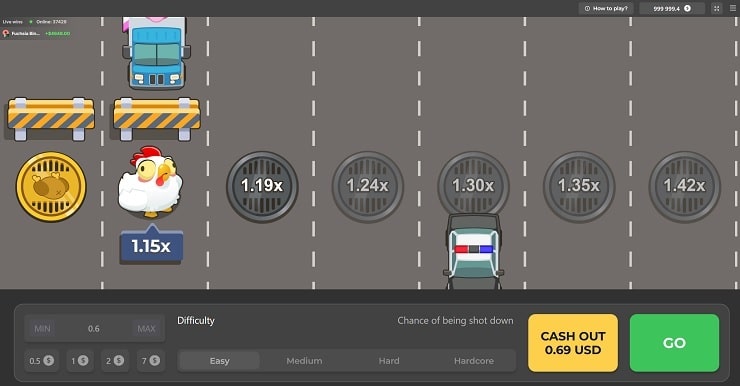
Since the inception of video games in the early 1970s, the landscape of gaming has undergone a remarkable transformation. From simple pixelated graphics to immersive virtual realities, games have continuously evolved, shaping and reshaping the way we communicate, interact, and perceive entertainment. One notable example of a game that encapsulates this evolution is game Chicken Road, which combines engaging gameplay with creative storytelling, representing the modern trends in game design.
The Birth of Video Games
The journey of gaming began with rudimentary games like “Pong” and “Space Invaders.” These early games laid the groundwork for a burgeoning industry, captivating a generation with their simplistic charm. Console gaming took off in the late 70s and early 80s, introducing systems like the Atari 2600 that brought gaming into home living rooms. Games during this time were defined by their simplicity, focusing primarily on arcade-style gameplay.
The Golden Age of Arcade Games
The late 70s and early 80s are often referred to as the Golden Age of Arcade Games, with titles like “Pac-Man” and “Donkey Kong” becoming cultural phenomena. These games introduced players to new mechanics, character development, and level progression. The success of arcade games solidified gaming as a mainstream form of entertainment, appealing to a diverse audience that transcended age and gender.

The Industry Explosion in the 1980s
The gaming industry experienced an explosion of creativity and innovation during the 1980s. Home consoles such as the Nintendo Entertainment System (NES) and Sega Genesis entered the market, offering rich and diverse gaming experiences. Titles like “Super Mario Bros.” and “The Legend of Zelda” not only captivated players but also laid the foundation for the role-playing and platform genres that would dominate the gaming landscape for decades.
The 3D Revolution
The 1990s marked a significant turning point with the transition from 2D to 3D graphics. Games like “Doom” and “Final Fantasy VII” pushed the boundaries of storytelling and graphical fidelity, introducing players to immersive worlds that felt alive and interactive. This era also saw the rise of PC gaming, with real-time strategy and first-person shooter games captivating millions. The addition of networked play transformed gaming into a social experience, paving the way for multiplayer online games.
The Rise of Online Gaming
As the internet became more accessible in the late 90s and early 2000s, online gaming began to flourish. Titles like “Counter-Strike” and “World of Warcraft” created communities of players who could connect and compete regardless of geographic location. This social aspect of gaming led to the emergence of esports, where professional players compete in tournaments for prize money and fame. As a result, gaming shifted from a solitary activity to a vibrant communal experience.
The Modern Era of Gaming

The gaming landscape today is dominated by complex narratives, stunning graphics, and multiplayer experiences that often encompass millions of players worldwide. Games like “The Witcher 3” and “Fortnite” showcase storytelling and competitive gameplay at its finest, transcending traditional boundaries of genre and age demographics. The rise of indie developers has also contributed to a renaissance in gaming, fostering innovative ideas and gameplay mechanics that challenge the status quo.
The Cultural Impact of Gaming
Gaming has evolved from a niche hobby to a significant aspect of modern culture. The integration of gaming in popular media, from movies to merchandise, illustrates its far-reaching influence. Additionally, gaming has started to address important social issues through narrative and gameplay mechanics, creating platforms for discussion and promoting inclusivity. Titles such as “Life is Strange” and “Hellblade: Senua’s Sacrifice” confront mental health and social issues with sensitivity and depth, highlighting gaming’s potential for impactful storytelling.
The Future of Gaming
Looking ahead, the future of gaming is poised to be even more exciting with advancements in technology. The potential of virtual reality (VR) and augmented reality (AR) offers players wholly immersive experiences that blur the lines between the digital and physical worlds. Cloud gaming services are also reshaping how games are accessed and played, allowing users to enjoy high-quality gaming on various devices without the need for expensive hardware.
Conclusion
As we reflect on the evolution of gaming, it’s clear that it has become more than just a form of entertainment; it has woven itself into the fabric of our daily lives. From humble beginnings to a dominant global culture, the gaming industry continues to grow and adapt, driven by creativity and innovation. Understanding this evolution not only helps appreciate where we are today but also provides insight into the exciting possibilities that lie ahead in the world of gaming.
